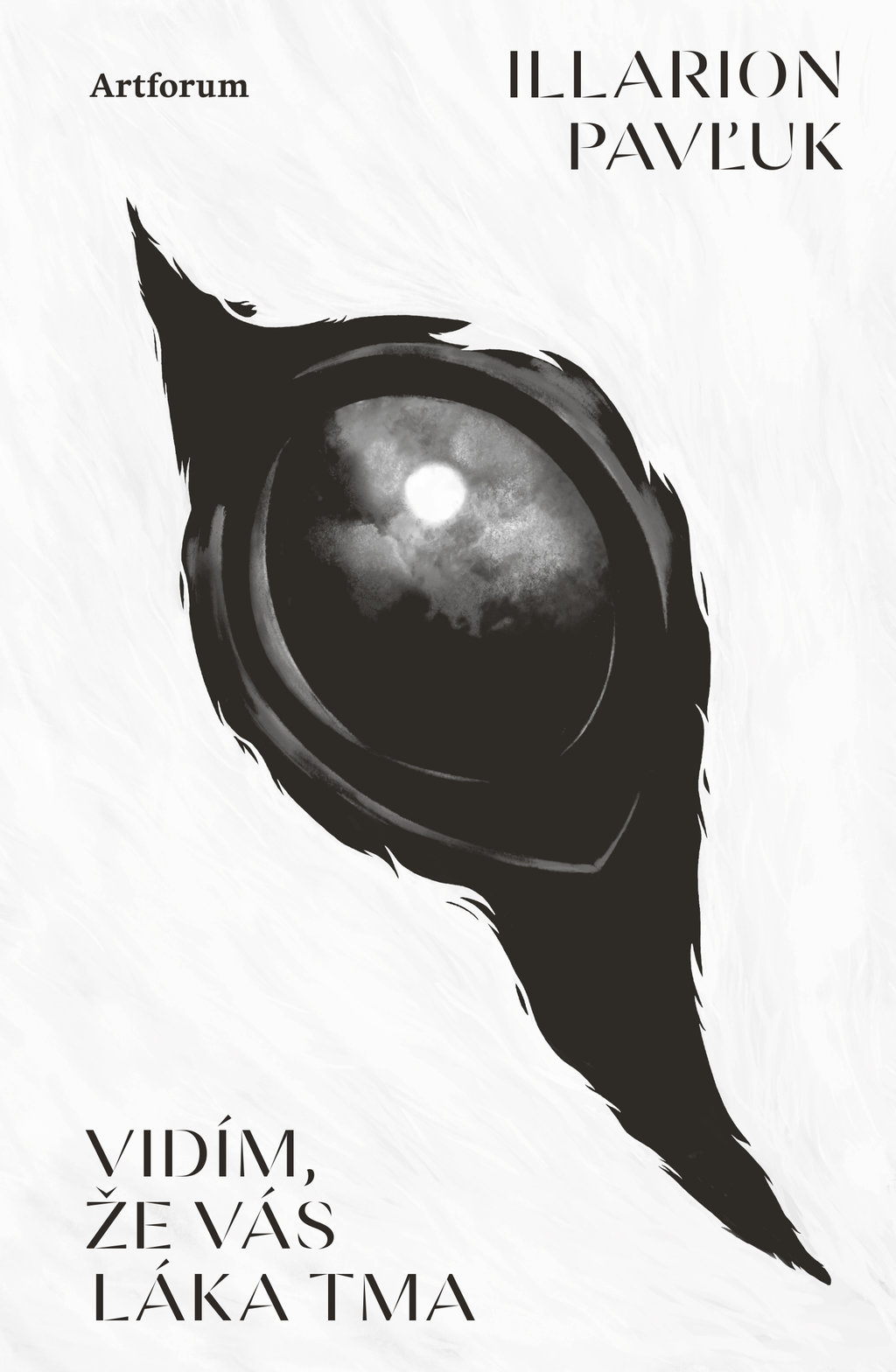
I see that darkness tempts you
Illarion Pavľuk
Andriy Oleksandrovych Geister was a volunteer in the Foreign Legion. When he returned to Ukraine in 2014, everything was different. Any ordinary situation triggered his post-traumatic stress disorder (PTSD), and if it hadn't been for the kind police investigator Valera, who offered him a job as a consultant for the criminal police, he would have found himself in serious trouble. At work, Andriy created psychological profiles of criminals. He was in his early thirties, but still didn't know what he wanted, and life dealt him one blow after another. He had a fight with his beloved wife and then received news of his mother's death. While he was traveling to her funeral somewhere in the south of the country, his wife committed suicide in the capital. It turned out that she was expecting Andriy's child, who now has little chance of survival, and doctors are fighting for his life. Andriy would prefer to stay in the capital and drink himself to death unnoticed, but investigator Valera sends him on a business trip to a forgotten village to investigate a series of murders. One after another, young women disappeared here and their mutilated bodies were later found, but the last victim was different. A six-year-old girl with autism and a hearing impairment disappeared.
In 2020, the Lviv publishing house Starý lev published Illarion Pavľuk's book I See That You Are Interested in Darkness (Ia Baču, Vas Cikaviť Piťma). When his novel was published, many reviewers immediately found parallels between Pavľuk's work and the novels of American author Stephen King. Both reveal the constantly repeated attack of evil on human goodness in ways that transcend the boundaries of reality. The darkness described in Pavlyuk's 639-page noir detective story seems to be ever-present during the war in Ukraine. These connections between fiction and reality probably explain the novel's enduring status as a bestseller.
Published: 02/12/2026
Page count: 640
Binding: Hardback
ISBN: 978-80-8150-471-6
Recommended price: 24.90 €